Navigating the Talent Odyssey: Unleashing AI’s Magic in the HR Realm
By Matt Small ·
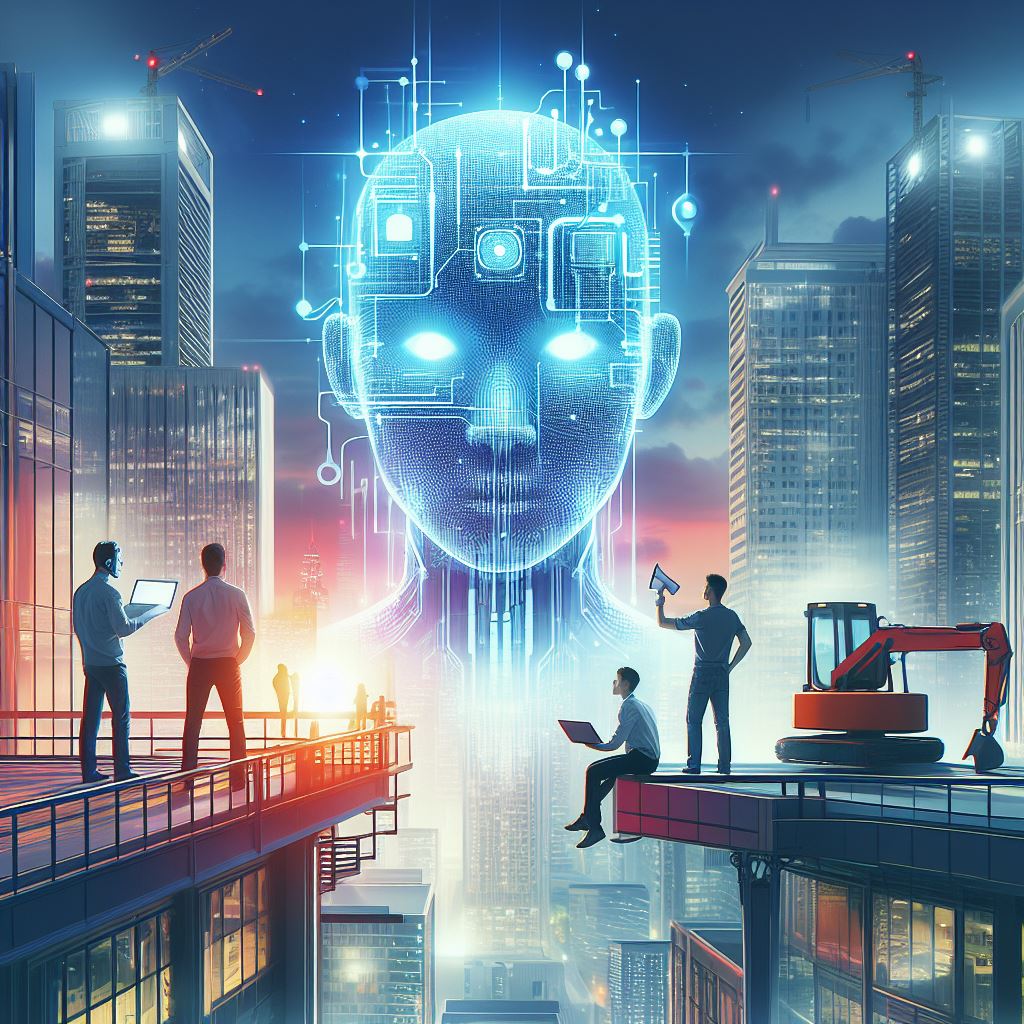
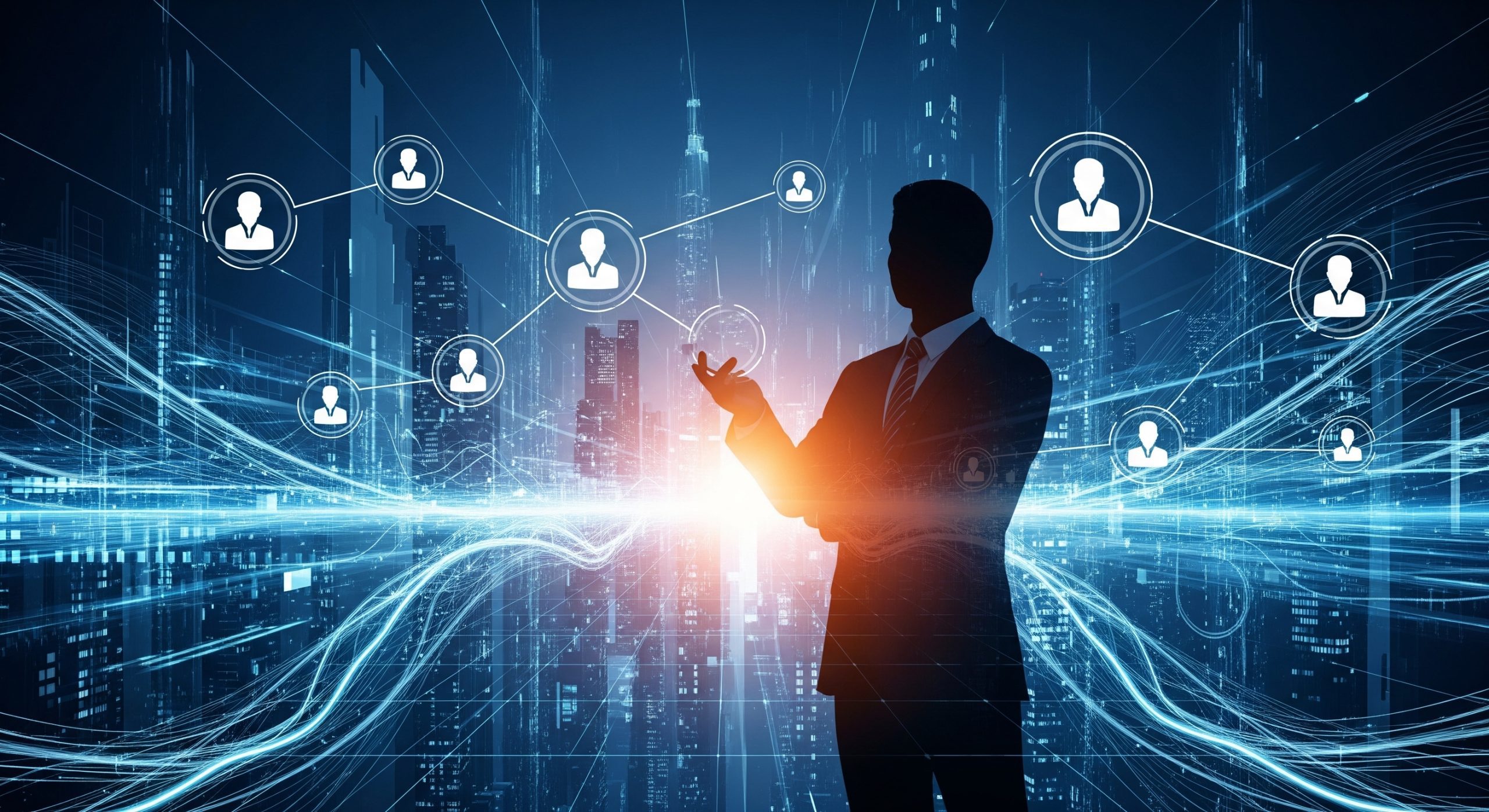
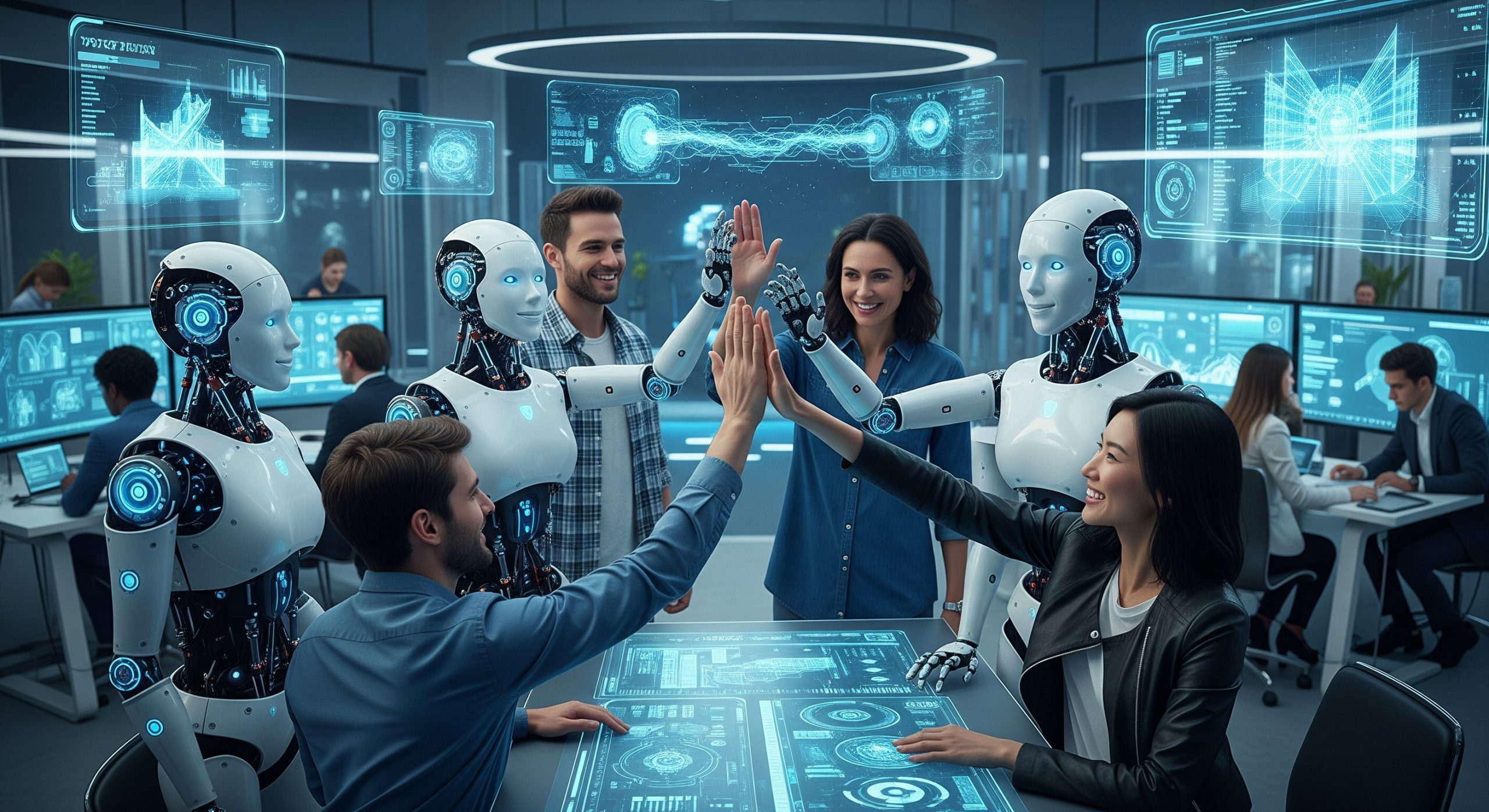
Imagine a world where hiring processes are swift, candidates experience seamless interactions, and every employee’s journey is personalized for success. Welcome to the future of Human Resources (HR), where Artificial Intelligence (AI) is not just a tool but a catalyst for transforming how organizations connect with, nurture, and elevate their most valuable assets – their people. In this blog post, we’ll embark on an exciting exploration of how AI is reshaping the landscape of HR, making it more efficient, strategic, and engaging for everyone involved. Get ready to discover the fascinating ways AI is powering the workforce of tomorrow!
The Evolution of HR: Traditionally, HR processes have been labor-intensive, often characterized by tedious manual tasks such as resume screening, candidate sourcing, and administrative duties. With the advent of AI, these processes are undergoing a revolution, paving the way for a more efficient and strategic HR function.
- Smart Recruitment: AI is revolutionizing the recruitment process by automating the initial stages of candidate selection. Advanced algorithms analyze resumes, identify key skills, and match candidates to job requirements, saving HR professionals valuable time and ensuring a more objective screening process. This not only accelerates the hiring process but also enhances the quality of candidate shortlisting.
- Chatbots and Candidate Interaction: Imagine a virtual assistant available 24/7 to engage with potential candidates, answer queries, and provide information about the organization. AI-powered chatbots are doing just that, enhancing the candidate experience by providing instant responses, scheduling interviews, and collecting preliminary information. This not only expedites the communication process but also frees up HR professionals to focus on more strategic aspects of talent acquisition.
- Employee Onboarding and Training: AI is streamlining the onboarding process by automating routine administrative tasks and delivering personalized training programs. Chatbots guide new hires through orientation, ensuring a smooth transition into the company culture. Additionally, AI-driven analytics assess employee performance and learning styles, enabling the creation of customized training modules tailored to individual needs.
- Predictive Analytics for Employee Retention: One of the most powerful applications of AI in HR is its ability to predict employee turnover. By analyzing historical data, employee behavior, and engagement metrics, AI algorithms can identify patterns indicative of potential attrition. Armed with this insight, HR professionals can implement proactive strategies to improve retention, such as targeted employee development programs or adjustments to workplace culture.
- Performance Management and Feedback: AI facilitates real-time performance tracking and feedback, enabling continuous improvement. Algorithms analyze employee data to identify strengths, areas for development, and even potential burnout risks. AI-powered tools assist HR in providing timely feedback and guidance, fostering a culture of growth and development within the organization.
As businesses navigate the evolving landscape of HR, the integration of AI is proving to be a game-changer. By automating routine tasks, enhancing candidate and employee experiences, and providing data-driven insights, AI is empowering HR professionals to focus on strategic initiatives that drive organizational success. The journey towards automating HR with AI is not just about efficiency; it’s about cultivating a workplace where talent can thrive, innovate, and contribute to the future of the business. Embrace the transformation – the future of HR is intelligent, adaptive, and limitless.