
Tag: Hallucinating

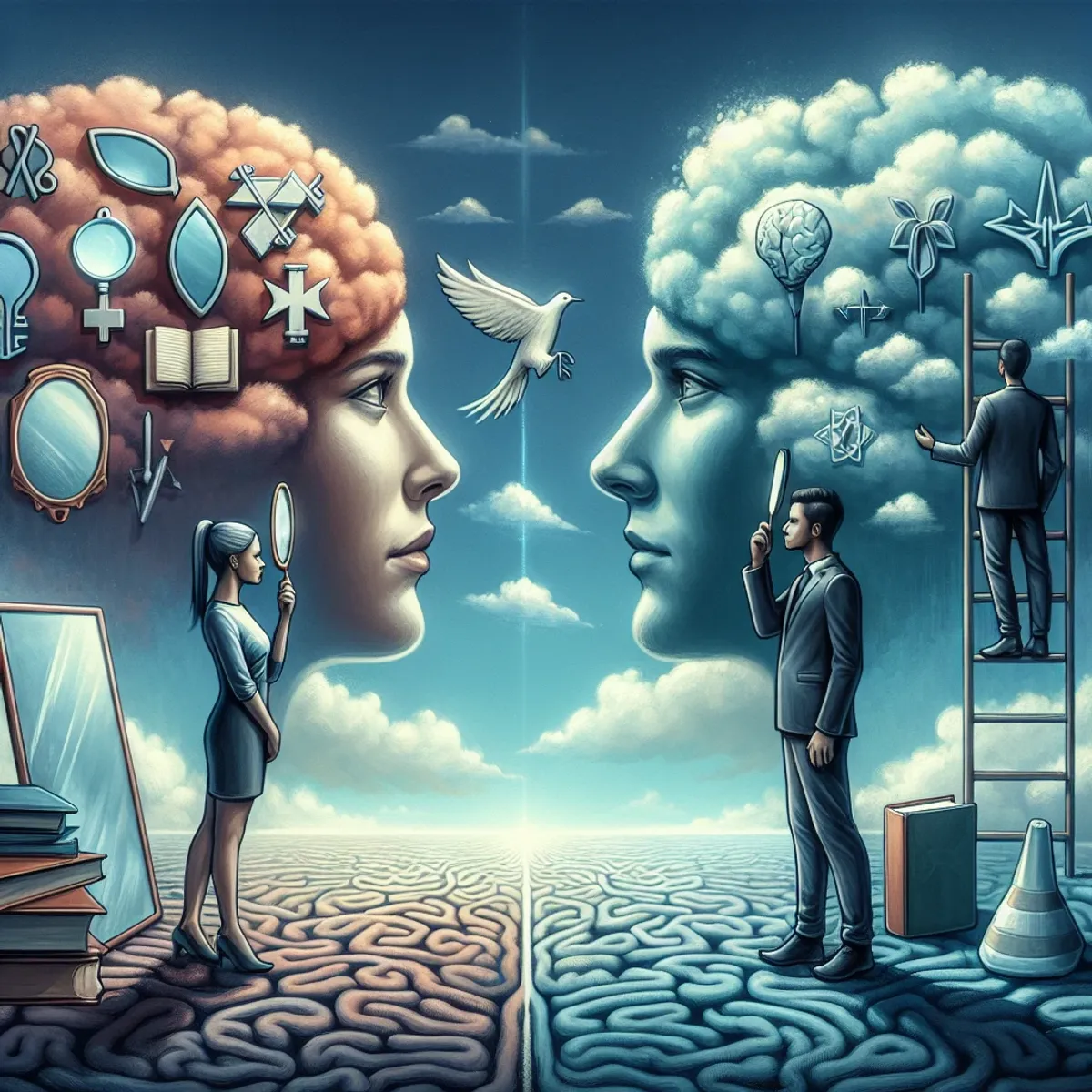
Artificial Intelligence Doesn’t Hallucinate – It’s Just Being Human!

The impact of the COVID-19 pandemic and recent political upheavals has highlighted the tendency for people to strongly cling to their beliefs, even in the face of contradictory evidence. This phenomenon, known as the Dunning-Kruger effect, reveals that individuals with limited competence in a specific domain tend to overestimate their abilities due to a lack of self-awareness.

Our opinions are intricately linked to memory, influenced by cognitive biases, emotional memory, and narrative memory. Cognitive biases, such as confirmation bias and hindsight bias, shape how information is processed. Emotional memory, heightened by stress hormones, can make opinions more vivid but also prone to inaccuracy. Narrative memory, organizing events into coherent stories, shapes identity and worldview.

The article emphasizes the fallibility of human memory, quoting Elizabeth Loftus, a leading expert, who highlights the ease with which false memories can be created. Loftus notes that memories are a blend of fact and fiction, subject to change over time.

The piece suggests that, given the malleability of human memory, the skepticism towards artificial intelligence (AI) generating false information may be misplaced. It draws parallels between AI “hallucination” and human reliance on potentially inaccurate information from colleagues or memory.

In conclusion, the article prompts reflection on the reliability of human memory, implying that our deeply held beliefs might be akin to hallucinations, much like the occasionally flawed outputs of AI.

Back To Top