
Artificial intelligence (AI) has rapidly transformed businesses in recent years, automating tasks, optimizing processes, and driving valuable insights. But in 2024, the focus is shifting. We’re moving beyond simple automation and towards a new era of AI amplification, where AI empowers human capabilities and unlocks entirely new possibilities.
In Marketing? Wondering how to use AI? Top 10 AI use cases for CMOs
Was the Best Google Gemini Feature Faked At The Launch?
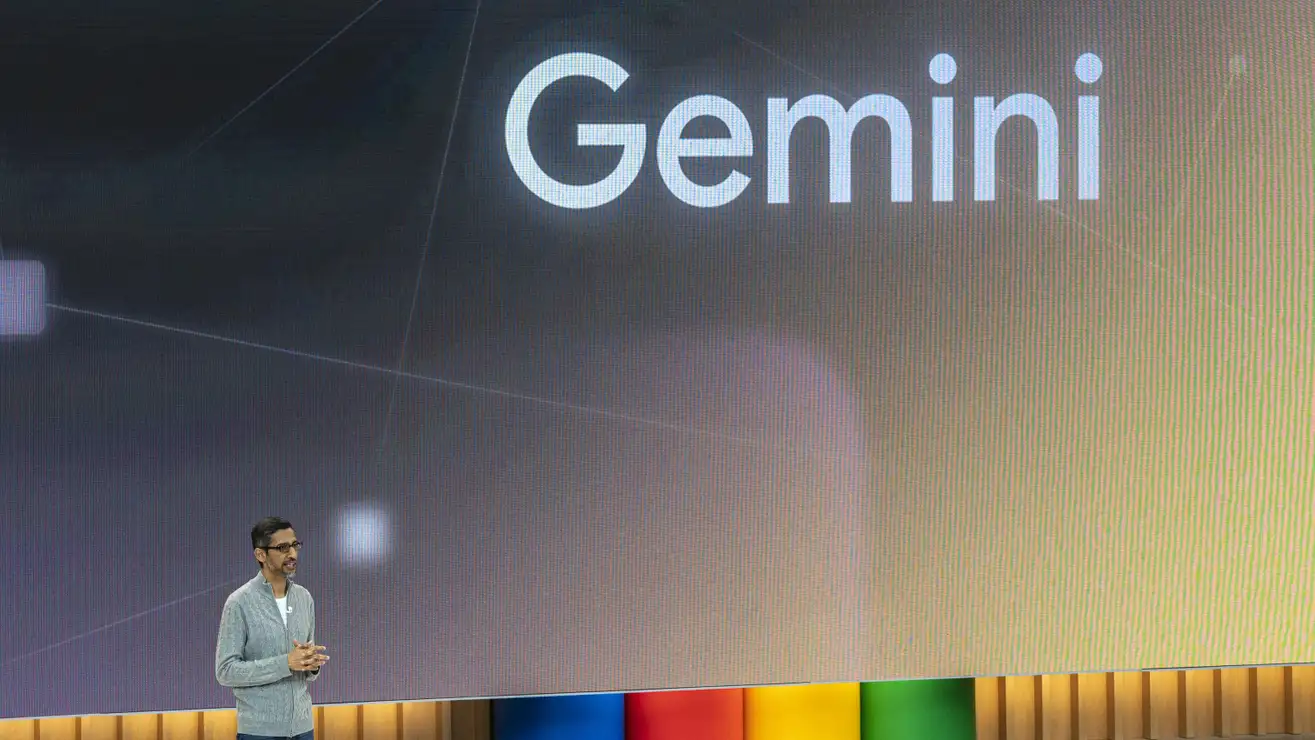
Google’s new Gemini AI model has received mixed reviews after its debut yesterday. However, the most impressive demo of Gemini was pretty much faked. A video called “Hands-on with Gemini: Interacting with multimodal AI” hit a million views over the last day, and it’s not hard to see why. The impressive demo “highlights some of […]
OpenAI’s latest models and a new code interpreter soon to be added to Microsoft Copilot
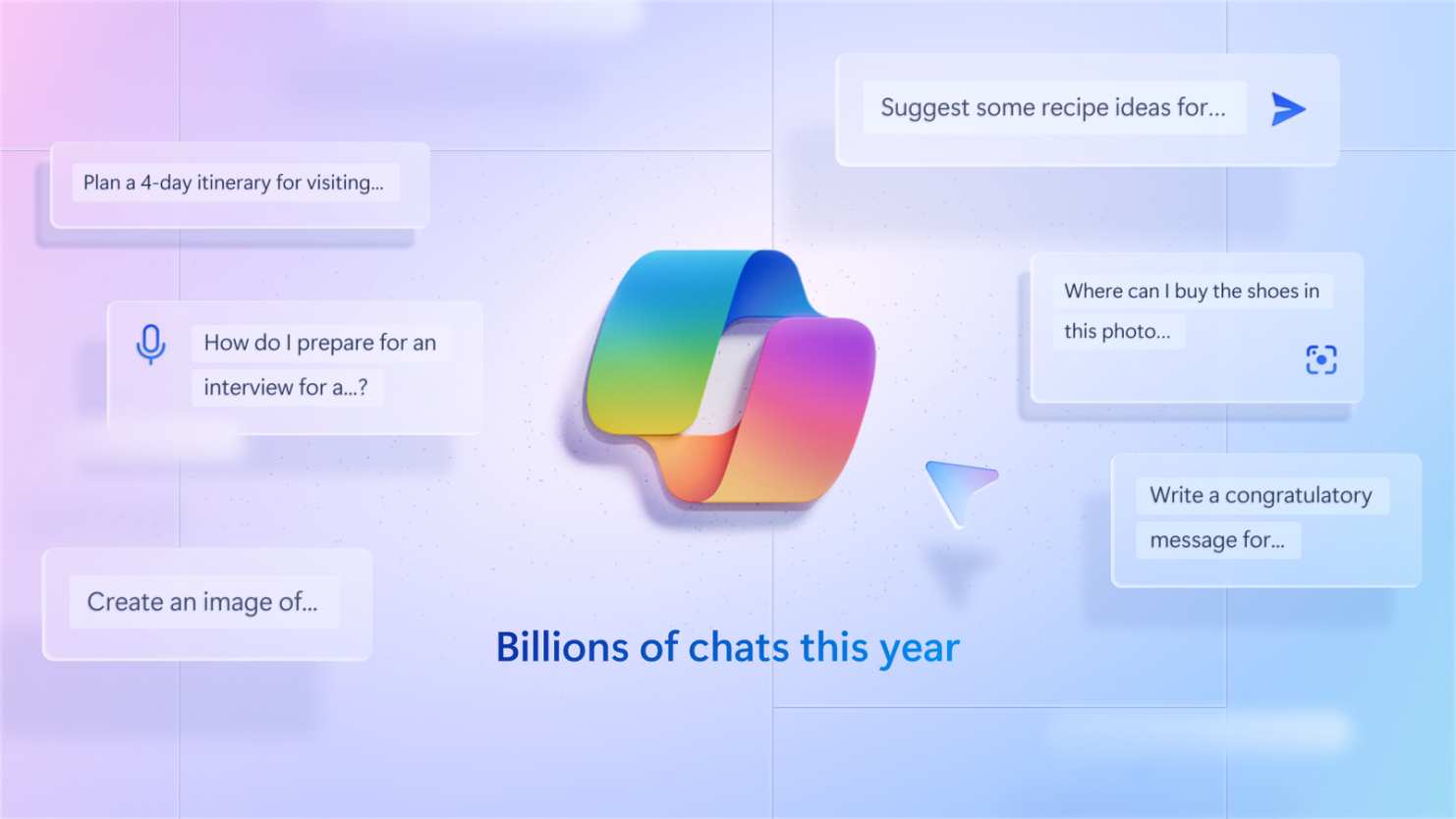
Microsoft is unveiling a host of exciting enhancements for its Copilot service. These upcoming features include support for GPT-4 Turbo, an upgraded DALL-E 3 model, a novel code interpreter, and deep search functionality within Bing. Soon, Copilot will harness the power of OpenAI’s latest GPT-4 Turbo model. This advancement allows Copilot to process a broader context by utilizing a 128K context window. As a result, Copilot […]
Google’s Gemini ChatGPT Competitor Could Preview This Week
Google is poised to virtually unveil its generative AI competitor to ChatGPT, known as Gemini, as early as this week, according to a report by The Information on Monday. The tech giant aims to outpace OpenAI while the Microsoft-backed company navigates the aftermath of a tumultuous board situation and the departure and subsequent return of Sam Altman. The launch of Gemini has been delayed […]
Amazon’s Flagship AI, Q has ‘severe hallucinations’ and leaking confidential data
Just days after Amazon’s announcement of its AI chatbot Q, internal concerns are surfacing regarding its accuracy and privacy. According to leaked documents obtained by Platformer, Q is reportedly experiencing severe hallucinations and leaking confidential data. This sensitive information includes the location of AWS data centers, details about internal discount programs, and unreleased features12. These early challenges for Q arise as Amazon strives to […]
How to Use Bard With Google Sheets: A Step-by-Step Guide
As we continue to advance in the digital age, artificial intelligence (AI) is becoming an increasingly integral part of our everyday lives, especially in the realm of productivity tools. One such AI-powered tool that has been making waves in the world of spreadsheet management is Google Bard. This AI-based chatbot is designed to aid in various tasks, […]
A Simple Explanation to what a LLM really is!
Imagine you have a giant notebook filled with millions of pages. Each page has different words written on it – some are common words like “hello” and “goodbye,” while others might be more complex or obscure, like “algorithm” or “quantum physics.” Now imagine that someone asks you to find the word “cat” in this giant […]
Demystifying AI: Shared Tenancy vs. New Siloed LLMs – Why Understanding Matters to You!
G’day readers! Today, let’s delve into the world of artificial intelligence and unravel the complexities of shared tenancy models versus what I like to call siloed LLMs. As a thought leader in this space, I’m keen to shed light on why grasping these distinctions is crucial, especially considering the concerns I have about many SaaS […]
Artificial Intelligence Doesn’t Hallucinate – It’s Just Being Human!
The impact of the COVID-19 pandemic and recent political upheavals has highlighted the tendency for people to strongly cling to their beliefs, even in the face of contradictory evidence. This phenomenon, known as the Dunning-Kruger effect, reveals that individuals with limited competence in a specific domain tend to overestimate their abilities due to a lack of self-awareness.
Our opinions are intricately linked to memory, influenced by cognitive biases, emotional memory, and narrative memory. Cognitive biases, such as confirmation bias and hindsight bias, shape how information is processed. Emotional memory, heightened by stress hormones, can make opinions more vivid but also prone to inaccuracy. Narrative memory, organizing events into coherent stories, shapes identity and worldview.
The article emphasizes the fallibility of human memory, quoting Elizabeth Loftus, a leading expert, who highlights the ease with which false memories can be created. Loftus notes that memories are a blend of fact and fiction, subject to change over time.
The piece suggests that, given the malleability of human memory, the skepticism towards artificial intelligence (AI) generating false information may be misplaced. It draws parallels between AI “hallucination” and human reliance on potentially inaccurate information from colleagues or memory.
In conclusion, the article prompts reflection on the reliability of human memory, implying that our deeply held beliefs might be akin to hallucinations, much like the occasionally flawed outputs of AI.