The Future of AI in Sales Tech. What’s Coming you Need to Know

The Future of AI in Sales Tech: What to Expect by 2025

As the year winds down, every C-Suite executive I work with is eager to leverage AI in sales tech to stay ahead. Board meetings today prioritize shareholder expectations and the pressing question: “How will AI drive our growth faster than competitors?”

The challenge for corporate strategists is navigating the “Irrational Exuberance of AI.”

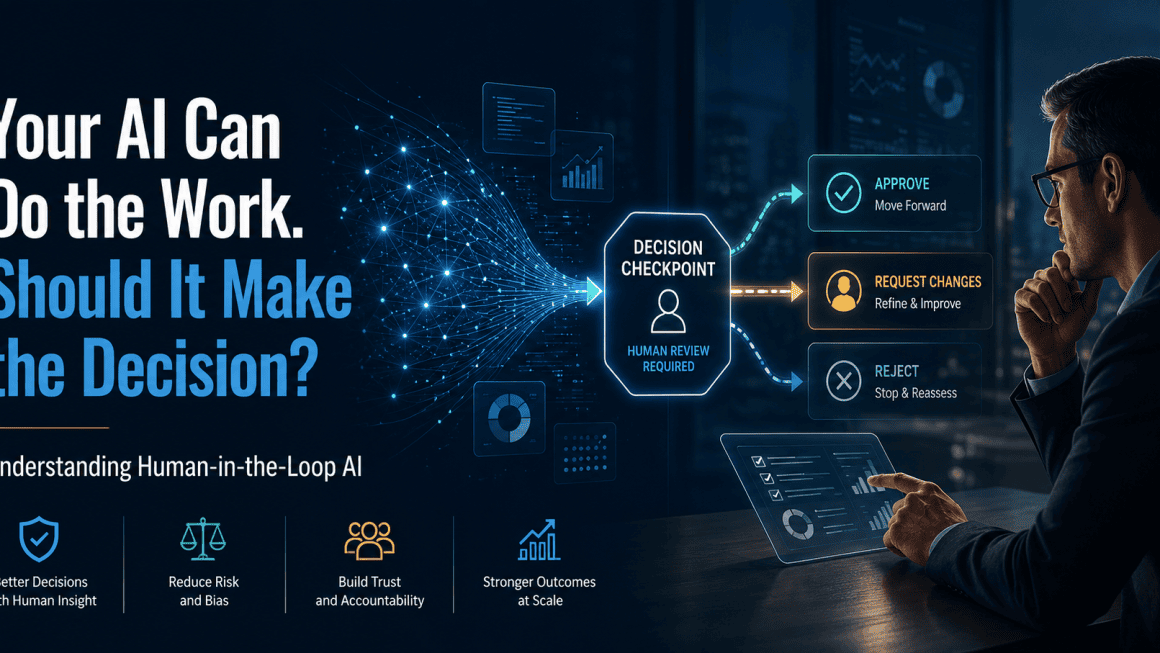
Just because AI “can” do something doesn’t mean it “should.” ROI remains crucial – that will never be a passing fad. It’s vital to create realistic AI adoption timelines, implement risk mitigation strategies, and plan for inevitable failures as tech teams learn to optimize AI.

Looking ahead to 2025, AI is set to transform sales technology with hyper-personalized outreach, advanced predictive analytics, live sentiment analysis, and PCLV models. AI will continue to revolutionize sales operations—and it will be an adapt or get left behind activity. The future belongs to those who embrace blended AI.

Based on my research, the most impactful AI features aren’t always the flashiest. Focus on those with significant ROI potential. Make safe bets, stretch goals, and a few long shots in your AI strategy. Remember, AI isn’t a set-it-and-forget-it tool; it requires ongoing tuning and parallel operation with current systems for risk mitigation and maximization.

Here are the top ten AI features to consider, evaluated on their potential ROI impact.

Top Ten AI Sales Tech Features for 2025

  1. AI-Driven Sales Strategy Optimization
  2. Advanced Sentiment Analysis
  3. AI-Powered Virtual Reality (VR) Sales Demos
  4. Predictive Customer Lifetime Value (CLV) Models
  5. AI-Enhanced Sales Training Programs
  6. Dynamic Pricing Algorithms
  7. AI-Generated Sales Scripts
  8. Automated Contract Generation and Management
  9. AI-Driven Market Segmentation
  10. Real-Time Competitive Analysis

AI Sales Tech in Manufacturing

The manufacturing sector is rapidly adopting AI technologies, often outpacing other industries in terms of investment and implementation. According to a study by MIT Technology Review Insights, 64% of manufacturers are currently researching or experimenting with AI, and 35% have begun to put AI use cases into production2. This sector’s focus on AI is driven by the need for enhanced product and process innovation, reduced cycle times, and improved operational efficiency. Compared to other verticals, manufacturing shows a higher rate of AI adoption, with significant investments expected to continue growing over the next few years1.

Top 3 AI Features in AI-Enabled Sales Tech for Manufacturing

  1. Predictive Maintenance Sales Solutions
  2. AI-Enhanced Supply Chain Optimization
  3. Intelligent Product Recommendations

Conclusion

The integration of AI in sales technology is set to bring unprecedented efficiency and effectiveness to sales processes. From hyper-personalized outreach to advanced predictive analytics, these innovations will empower sales teams to better understand and serve their customers.

In the manufacturing sector, AI will play a crucial role in predictive maintenance, supply chain optimization, and intelligent product recommendations, driving significant improvements in sales strategies and outcomes.

Stay tuned as we continue to explore the exciting developments in AI and their impact on the future of sales!

David is an investor and executive director at Sentia, a next generation AI sales enablement technology company and Salesforce partner. Dave’s passion for helping people with their AI, sales, marketing, business strategy, startup growth and strategic planning has taken him across the globe and spans numerous industries. You can follow him on Twitter LinkedIn or on Sentia Says.

Tags: #manufacturing #CEO #BOD #AI #AIadoption #AIRisk #AIStrategy #Boardofdirectors #AItesting #AIusecase #AIplan #AIConsulting

Author

  • David Brown

    AI Therapist ThinkingDavid Brown | CCO & Startup AI Investor
    David Brown doesn't just discuss AI; he builds the infrastructure that makes it profitable. As CCO and Investor at Sentia AI, David is the strategist enterprise leaders turn to when their AI pilots stall and their data silos remain impenetrable. He fixes stalled AI pilots, CRM / ERP integration and scales enterprise AI with his amazingly talented teamates.

    With a career forged on Wall Street and Ernst and Young, David brings a high-focus, results-driven discipline to the tech sector. His trajectory—from navigating global markets to CEO of startups and founding a top-tier international startup incubator for hundreds of ventures—has uniquely positioned him at the bleeding edge of the "Agentic AI" revolution.

    The Enterprise AI Architect

    David’s mission is the elimination of the "AI Circle of Sorrow"—the gap where expensive AI tools fail to talk to legacy systems and most importantly humans. He specializes in solving the most aggressive enterprise AI scaling hurdles facing large enterprise clients today:

    • Siloed Data Liquidation: Breaking down the walls between fragmented business units to create a unified data truth. See DIO: www.dio.sentia.online

    • ERP & CRM Connectivity: Forging seamless, bi-directional integration between core systems of record and modern AI applications. See DSO www.sentia.website

    • The "Single Pane of Glass": Developing client Unified AI Dashboards—a command center that provides C-Suite leaders with total visibility across every AI-driven workflow in the organization. This is one of Sentia's specialities.

    • Enterprise AI Scaling: Moving beyond fragmented "app-creep" to build a cohesive, governed, and scalable AI orchestration layer.

    A relentless advocate for AI Orchestration, David ensures that Sentia AI remains a premier Salesforce partner by delivering autonomous agentic systems that don't just "help" sales teams—they transform revenue operations into high-velocity engines.

    Connect with the Seer of AI Integration success:

Back To Top