
When You’re Busy Selling, Who Keeps Your Next Sale Moving?
The five workflow problems facing independent sales professionals and sales consultants—and how to protect the time, relationships and judgment that generate…
Posts filed under AI Governance.
Page 1 of 2
The five workflow problems facing independent sales professionals and sales consultants—and how to protect the time, relationships and judgment that generate…
Artificial intelligence is no longer just an experimental playground; it has officially become the backbone of enterprise strategy. From what I’m seeing…
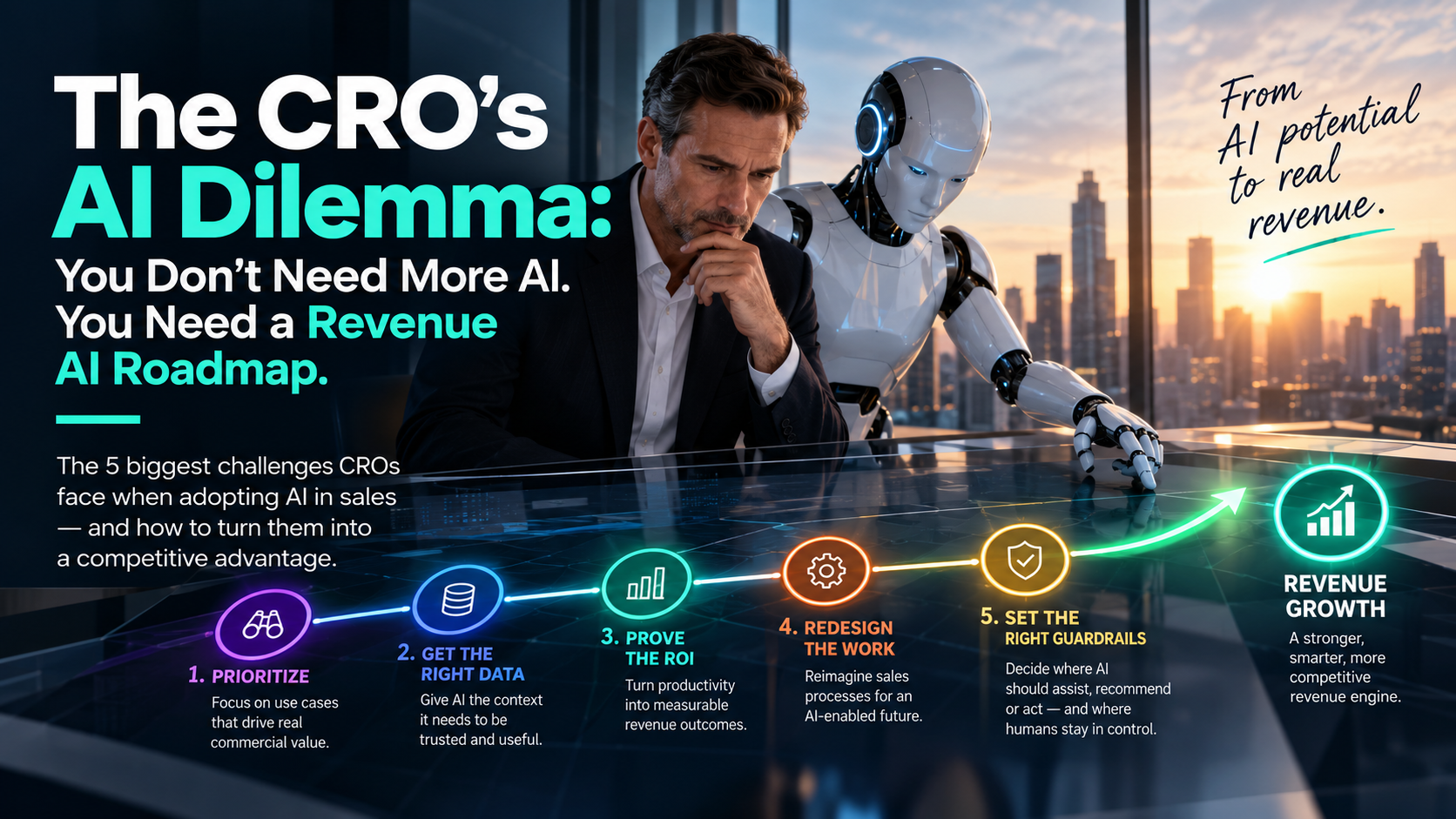
AI in sales has moved past the experimentation stage. Most CROs are no longer asking whether AI will affect their sales organization. They are being…
Five challenges of leading technology across multiple businesses—and where AI can help without taking over your judgment. Picture the scene. You have just…
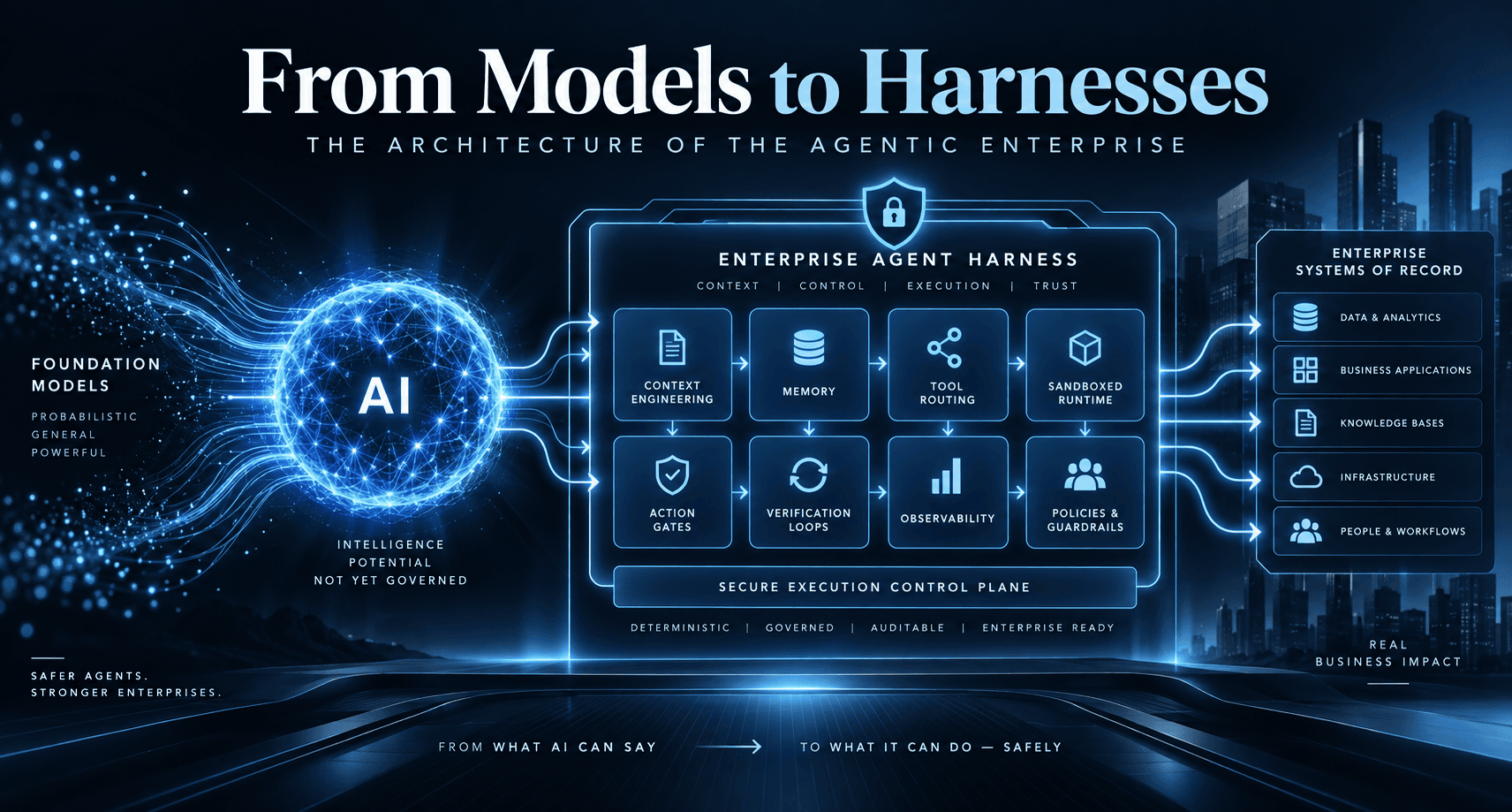
Foundation models are becoming computational commodities. Why are 40% of agentic projects facing abandonment, why do semantic guardrails fail at production…
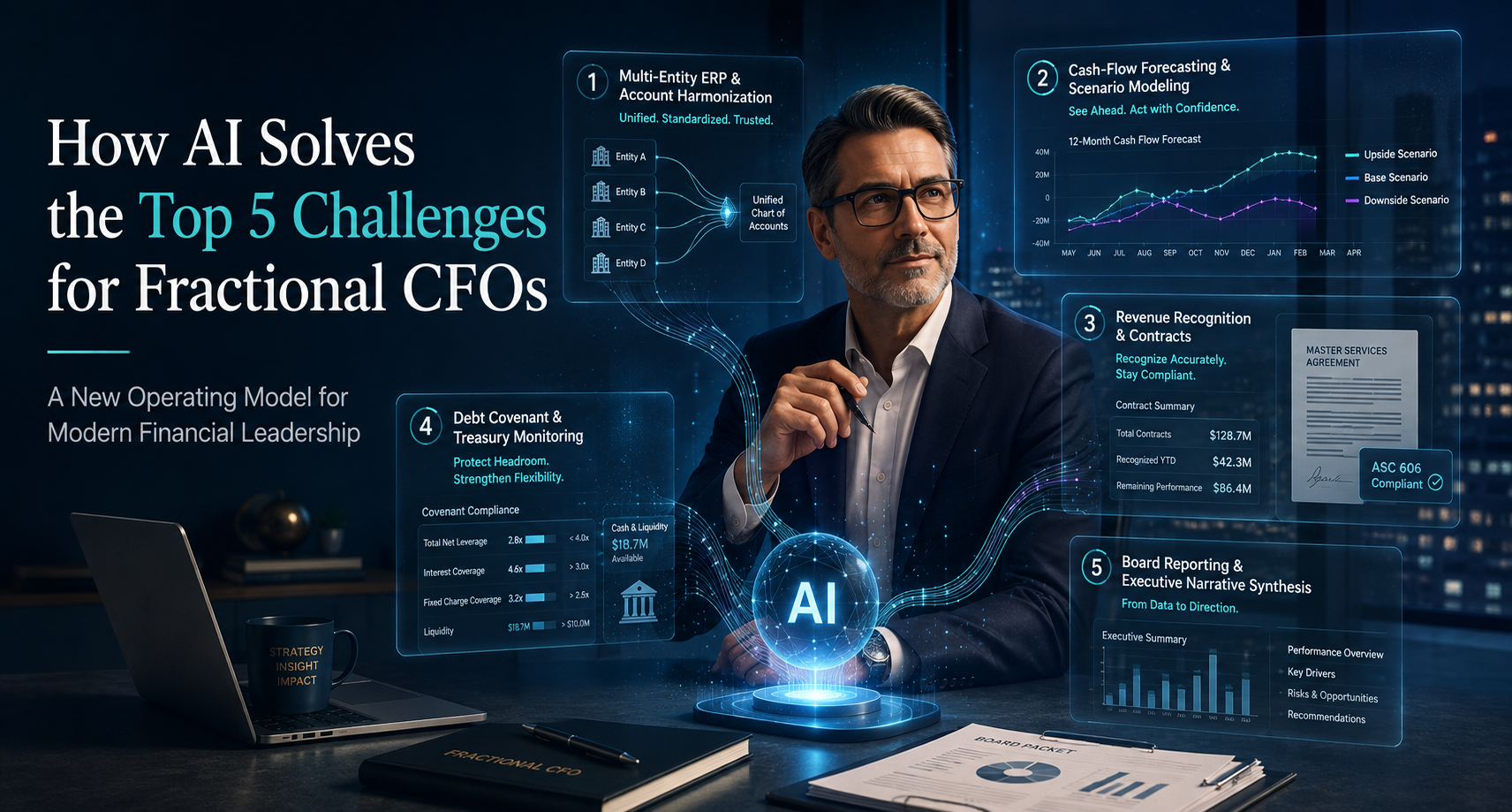
Discover how modern AI architectures solve five critical Fractional CFO operational challenges—from COA harmonization to stochastic cash modeling and ASC 606…
Enterprise AI projects can move quickly from an incredible demo to unexpected costs, implementation delays, low adoption and uncomfortable ROI questions.…
Why your AI Operating Model Determines AI Value The uncomfortable truth about AI transformation is that roughly 75% of the work happens outside the model, and…
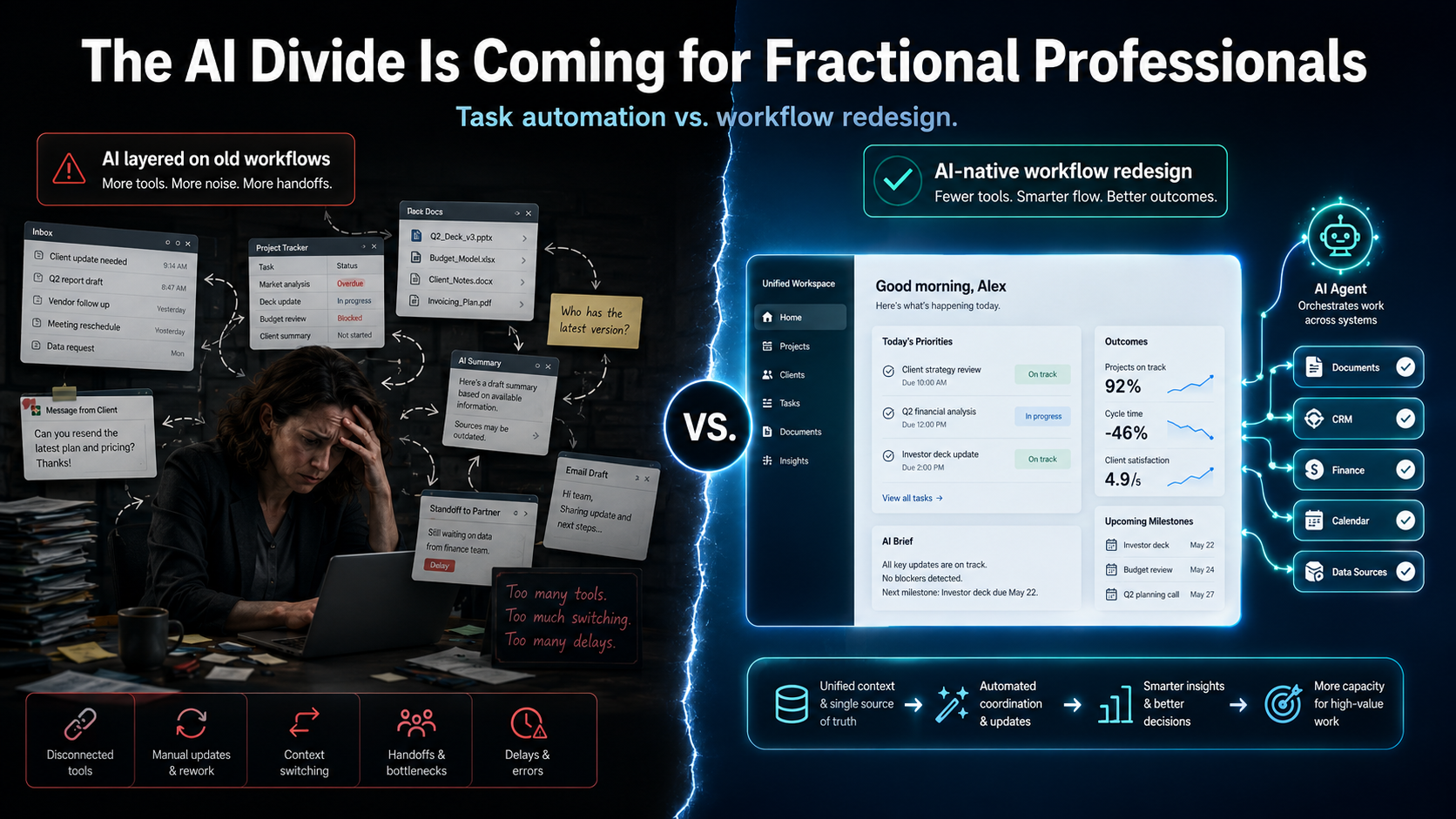
The competitive gap in fractional work will not be between professionals who use AI and those who do not. It will be between those who accelerate isolated…
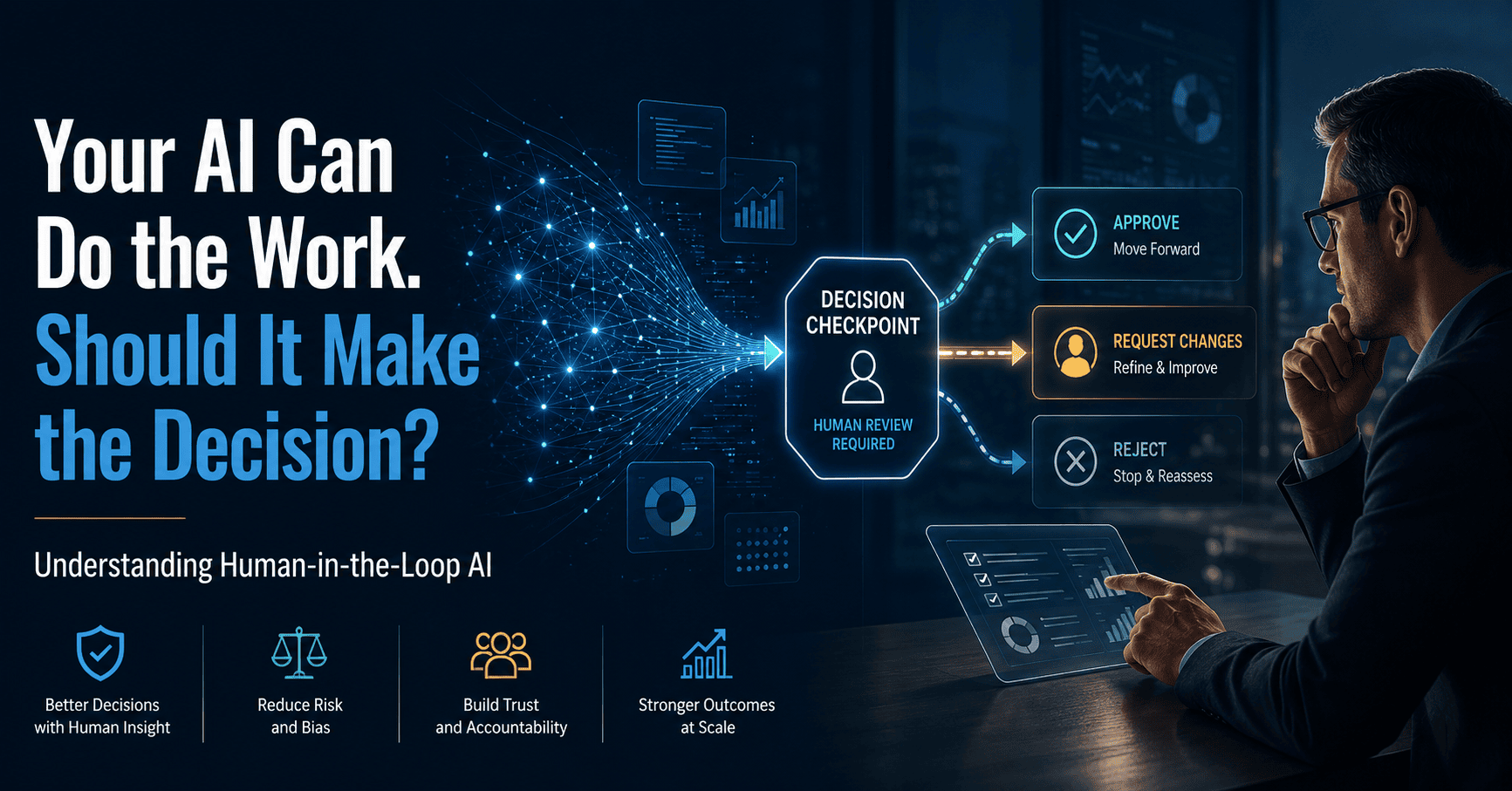
Human in the Loop AI – Would you let AI run your business—or only the parts of it that do not require human judgment? That question is becoming increasingly…