10 Best Practices from World Class Sales Teams, Beyond Exceeding Quota!
By David Brown ·

Not an AI Agent Dave here to check in and give you the latest in what I’ hearing on the AI strip from the C-Suite AI conference bandwagon gang.
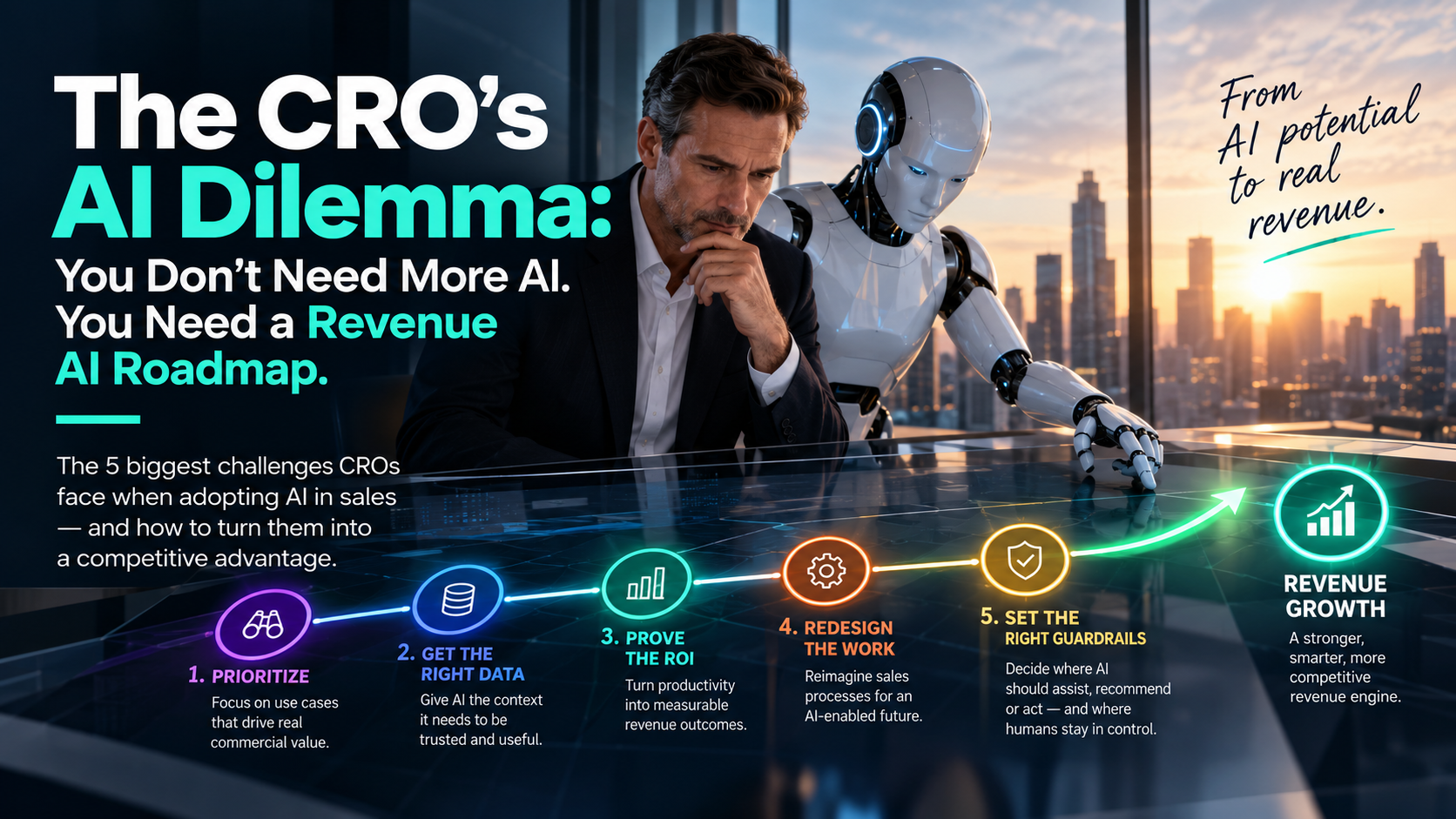
The C-Suite / BOD has educated themselves and starting to get it. AI is either a competitive advantage or something to watch competitors leapfrog ahead. Yes, it can be awesome! No it doesn’t replace sales reps. Instead, with autonomous AI agents it helps humans do what they do best, create ongoing relationships with companies, products and services their customers need.
Yikes you say. Have you been drinking the AI Kool-Aid you keep warning readers about?
“Kinda.” AI is super cool and autonomous AI agents are most definitely the rage with Microsoft and Salesforce at AI “war” with each other over whether their AI agents actually work.
TBS as always with my 100K View on sales / marketing perspectives, it isn’t what’s cool new tech, it’s what tech gives you that unfair advantage when you properly apply it to a proven process! More simply. Get back to your MBA strategy 101 thinking.
What can I do better, faster, cheaper and / or how can I differentiate my company with this new technology. It doesn’t matter if its 100% AI or not. Make sure it is actually providing a solid ROI or can in the near future. Think about it from a non tech perspective. These are the top ten problems my company is facing. Tech isn’t the answer, its applying AI to things we know can work and doing it faster and better than our competitors.
If you go beyond numbers, focusing on best practices that foster long-term growth, customer satisfaction, and team cohesion, you’ll discover what it is that makes a top team tick. Let’s explore these AI best practices with real-world examples and lessons learned. *{Every use case has an article and a link behind at the end of the article}.
1. Data-Driven Decision Making
Leading sales teams leverage data analytics to inform their strategies and tactics.
Use Case: Google uses data from reviews and surveys to understand the need for managers and improve their leadership development programs. This approach has helped Google identify effective manager qualities and support their growth.
2. Consistent Sales Process Adherence
High-performing teams closely follow their established sales processes across all departments.
Use Case: Coca-Cola has woven data analytics into the fabric of their operations, informing decisions in sourcing, distribution, sales, and production. This consistent approach ensures a unified strategy throughout the organization.
3. Value-Based Selling
Top sales teams focus on communicating the value and ROI of their solutions rather than competing on price.
Use Case: Amazon uses data insights to make personalized product recommendations to customers, increasing sales and maintaining their position as the world’s leading e-commerce platform.
4. Effective Questioning Strategies
Successful teams use sophisticated discovery and questioning approaches to uncover client needs.
Use Case: Netflix analyzes user data to understand what triggers people to subscribe, what makes them stay longer, and where to invest in improving services. This data-driven approach helps them ask the right questions and make informed decisions about content creation and user experience.
5. Continuous Sales Coaching
High-performing teams prioritize ongoing coaching as part of their training and development strategy.
Use Case: Google’s data scientists analyzed qualitative data like performance reviews and surveys about managers within the organization to improve their internal hierarchies and coaching practices.
6. Strategic Hiring Practices
Top sales organizations use advanced hiring tools and assessments to build stronger teams.
Use Case: While not specifically mentioned in the search results, companies like Unilever and IBM are known to use AI-powered tools and data analytics in their hiring processes to identify the best candidates for sales roles.
7. Omnichannel Sales Strategy
Leading sales teams implement a coordinated approach across multiple channels for a seamless customer experience.
Use Case: Starbucks uses big data through mobile apps and reward programs to gather insights directly from customers, creating a better omnichannel customer experience and personalizing their marketing strategies.
8. Personalized Sales Presentations
Top performers customize their presentations for each prospect, demonstrating thorough research and understanding.
Use Case: Red Roof Inn combined weather reports and flight cancellation data to identify marketing opportunities, targeting mobile users in the vicinity of airports during bad weather. This personalized approach led to a 10% increase in check-ins.
9. Effective Use of AI and Technology
Leading sales teams leverage AI and other advanced technologies to increase productivity and gain competitive advantages.
Use Case: Uber uses predictive analytics and big data to bridge the demand-supply gap in real-time, catering to customer demands and solving supply issues efficiently.
10. Post-Sale Relationship Nurturing
Top sales organizations focus on building long-term relationships and nurturing customers after the initial sale.
Use Case: Amazon’s use of data analytics extends beyond the initial sale, analyzing customer reviews, rankings, and post-purchase behavior to continually improve their service and maintain customer loyalty.
Checklist for CROs
To evaluate your organization’s alignment with these best practices, consider this checklist:
- Do we have a robust data analytics system in place like Google’s people analytics?
- Is our sales process clearly defined and consistently followed across departments like Coca-Cola’s?
- Are we focusing on value-based selling rather than price competition, similar to Amazon’s personalized approach?
- Have we implemented advanced questioning strategies in our discovery process, akin to Netflix’s data-driven content decisions?
- Do we have a structured, ongoing sales coaching program informed by data like Google’s manager quality analysis?
- Are we using advanced hiring tools and assessments?
- Have we implemented an omnichannel sales strategy like Starbucks?
- Do our sales presentations demonstrate thorough customization for each prospect, similar to Red Roof Inn’s targeted marketing?
- Are we effectively leveraging AI and other advanced technologies like Uber’s predictive analytics?
- Do we have a strong post-sale relationship nurturing program similar to Amazon’s continuous customer engagement?
By comparing your current practices against this best practice checklist and these industry-leading examples, you can identify areas for improvement and align your sales organization with the best practices of top-performing teams.
- Google’s People Analytics
URL: https://www.reddit.com/r/compsci/comments/15pub3z/datadriven_decision_making_case_studies/ - Starbucks’ Store Location Analysis
URL: https://online.hbs.edu/blog/post/data-driven-decision-making - Amazon’s Product Recommendation System
URL: https://online.hbs.edu/blog/post/data-driven-decision-making - Red Roof Inn’s Weather-Based Marketing
URL: https://gapscout.com/blog/5-data-driven-decision-making-examples/ - Uber’s Real-Time Ride Pricing and Allocation
URL: https://gapscout.com/blog/5-data-driven-decision-making-examples/ - Google’s Manager Quality Analysis
URL: https://programs.online.utica.edu/resources/article/data-driven-decisions - Amazon’s Customer Behavior Analysis for Recommendations
URL: https://programs.online.utica.edu/resources/article/data-driven-decisions - Southwest Airlines’ Customer Data Analysis for Service Optimization
URL: https://programs.online.utica.edu/resources/article/data-driven-decisions - Google’s Data Center Energy Optimization
URL: https://www.reddit.com/r/compsci/comments/15pub3z/datadriven_decision_making_case_studies/ - Service Hotel’s Data-Driven Culture Implementation
URL: https://www.reddit.com/r/compsci/comments/15pub3z/datadriven_decision_making_case_studies/
Tags: #starbucks #amazon #salesforce #redroofin #Google #Uber #data #datascience #sales #bestpractice #AI