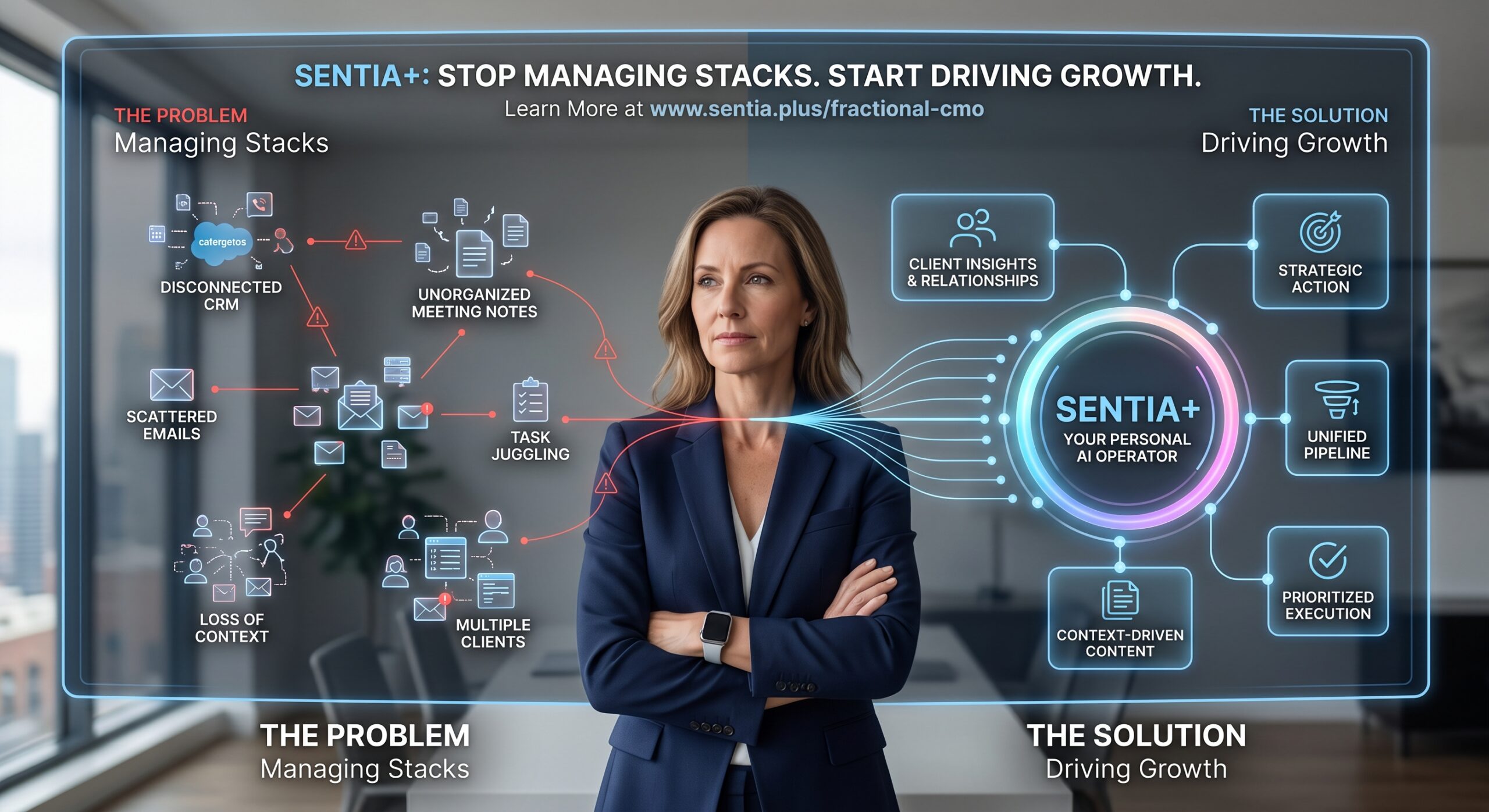
AI Revolution in Sales Tech Manufacturing: Ready for Takeoff?
By David Brown ·

It’s no secret that AI is transforming industries, and manufacturing is no exception. But what about the heart of the beast – sales? Is AI poised to disrupt the delicate dance between manufacturers and their customers? Buckle up, folks, because the answer is a resounding yes – and it’s a change with game-changing potential.

Let’s blast through the hype and explore how AI is set to impact manufacturing sales tech in three key ways:
1. Supercharged Sales Intelligence: Imagine having a precog on your sales team. AI-powered insights are here to do just that. By analyzing vast datasets, AI can predict customer needs, buying patterns, and even churn risk with uncanny accuracy. Think personalized product recommendations, proactive outreach to at-risk accounts, and targeted campaigns that hit bullseyes, not broadsides. No more cold calls, folks – we’re talking laser-focused engagement that builds genuine relationships.
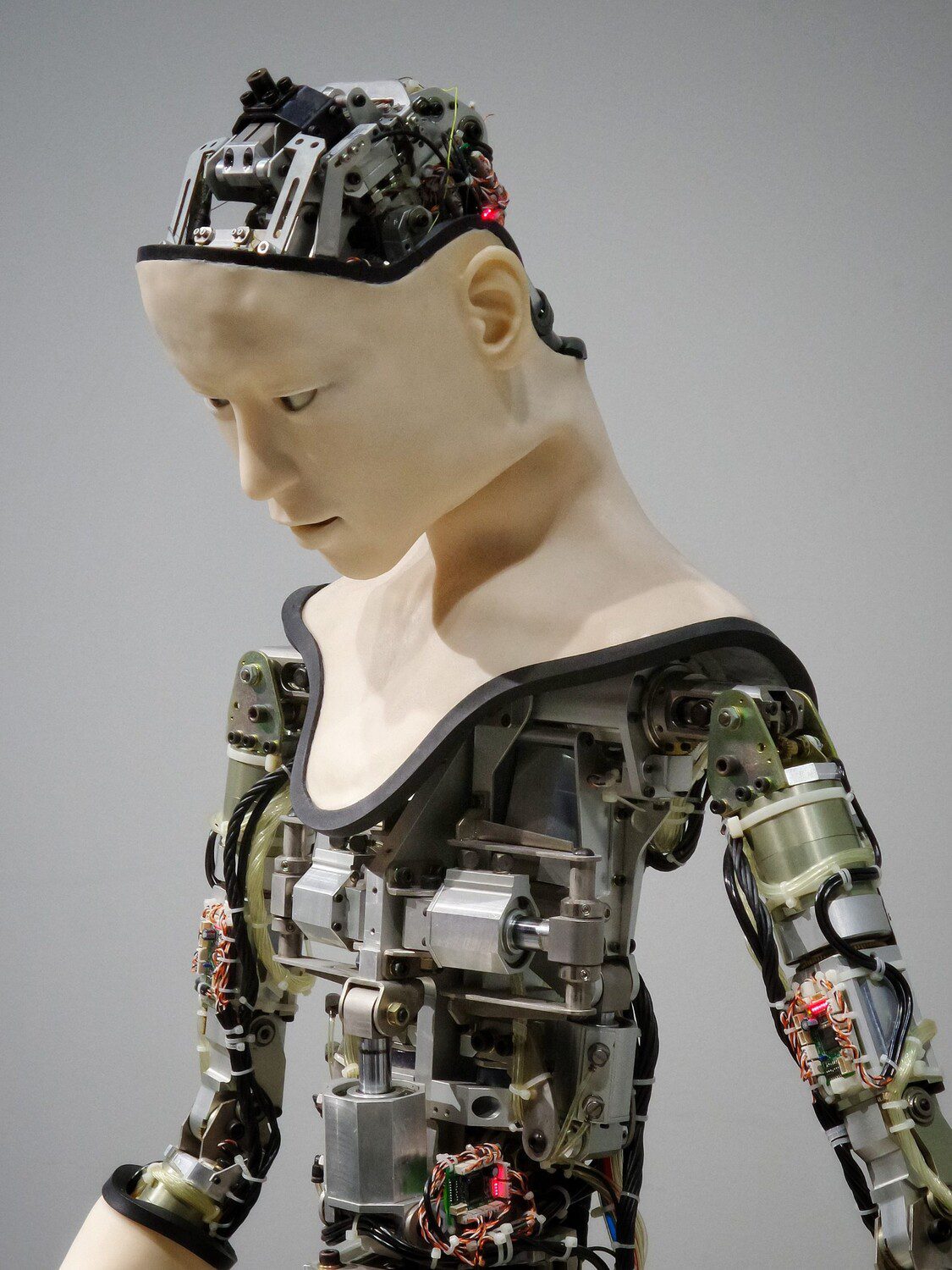
2. The Rise of the Sales Cyborg: Remember Robocop? Okay, maybe not that extreme (yet). But envision a future where sales reps wield AI-powered tools that streamline their every move. Chatbots handle routine inquiries, freeing up reps for high-value conversations. Virtual assistants schedule meetings, draft proposals, and even analyze customer sentiment during calls. It’s not about replacing reps – it’s about amplifying their superpowers, giving them the bandwidth to focus on what they do best: building trust and closing deals.

3. The Customer Experience Goes Hyperdrive: We all know happy customers are repeat customers and the best sales referrals. AI properly applied at the right time in each companies unique sales process can take the manufacturing customer experience to a whole new level. Marketing and sales work together transparently. Each can easily see how to impact the customer experience – who is using what content, for what purpose, what phase of the sales cycle and how is it impacting (good or bad) that part of the sales cycle? All the data can be seen and shared in ways only an AI generated dream was capable of just two short years ago!
Imagine:
- Real-time product customization: A customer tweaks a machine’s specs online, and AI instantly calculates pricing and delivery timelines. Boom – gone are the days of slow, cumbersome quote processes.
- Predictive maintenance: Forget reactive repairs. AI monitors equipment performance, predicting potential issues before they disrupt production. Customers can proactively schedule maintenance, minimizing downtime and maximizing efficiency.
- Virtual showrooms with augmented reality: Can’t afford to bring a behemoth machine to every client? No problem! AR lets customers virtually interact with products, even in their own facilities. The result? Faster decision-making and boosted confidence.
- Challenges and the Road Ahead: Of course, with great power comes great responsibility. Implementing AI effectively requires careful planning and consideration. Data security, bias mitigation, and ethical considerations are paramount. Additionally, retraining and upskilling sales teams will be crucial. Remember, AI is a tool, not a replacement. The human touch of relationship building and expert advice will always be irreplaceable.
So, is AI the death knell of the traditional manufacturing salesperson? Absolutely not. It’s the dawn of a new era, where technology empowers reps to reach their full potential. Those who embrace AI and adapt their skillsets will not only survive – they’ll thrive, leaving outdated sales tactics in the dust. This isn’t a revolution to fear, it’s an invitation to evolve. So, embrace the AI revolution, manufacturers, and get ready to take your sales game to warp speed. The future of manufacturing is looking brighter than ever.
Let’s discuss! How do you see AI impacting manufacturing sales? Share your thoughts in the comments below.
#aisales #manufacturing #customerexperience #futureofwork #salessech
P.S. Don’t forget to follow me on LinkedIn for more insights on the future of manufacturing and sales!