What are AI Agents? What are Best Practice Use Cases?
By David Brown ·

AI agents are intelligent automation solutions that use machine learning, predictive analytics, and natural language processing to revolutionize sales enablement and customer engagement in modern business settings. This article provides a comprehensive guide for understanding AI agents, highlighting how sales teams and business leaders can leverage AI for CRM automation, lead management, and data-driven decision making.
What Are AI Agents?
AI agents are advanced digital tools that automate complex workflows and sales processes previously managed by humans, including lead generation, pipeline management, and personalized customer outreach. Unlike simple chatbots or rule-based automations, AI agents analyze real-time data and context to help sales teams optimize performance and convert prospects into loyal customers, boosting sales productivity.
Top AI Agent Types & Business Applications
| AI Agent Type | Description | Use Cases in Sales & Business |
| Autonomous Agents | Use artificial intelligence to independently execute tasks like outreach and meeting setup. | Automated lead nurturing, scheduling, inbound inquiry response |
| Assistive Agents | Offer sales coaching and real-time performance insights through machine learning. | CRM data analysis, call coaching, proposal recommendations |
| Predictive Agents | Leverage analytics to anticipate sales trends and risk factors. | Deal forecasting, opportunity scoring, renewal reminders |
| Reactive Agents | Trigger workflows based on CRM events or customer activity. | Demo follow-ups, personalized post-sale engagement |
| Multi-Agent Systems | Coordinate multiple AI agents for seamless customer journey management. | Automated sequences for multi-channel sales outreach |
| Internal Process Agents | Enhance business intelligence and operational efficiency. | CRM data enrichment, sales analytics dashboards, reporting |
How AI Agents Differ from Chatbots
Unlike chatbots, which are primarily used for responding to basic FAQs, AI agents leverage natural language processing and predictive analytics to automate pipeline management, perform lead scoring, and generate actionable insights for sales teams.
- AI agents integrate with CRM systems and ERP platforms to streamline end-to-end business automation.
- They utilize big data, machine learning, and sales technology to adapt strategies and personalize customer engagement at scale.
Where to Apply AI Agents in Business
AI agents provide significant ROI in several business scenarios:
- Automating repetitive back-office and sales admin tasks, delivering instant CRM updates.
- Analyzing customer data for targeted sales outreach and opportunity identification.
- Enhancing sales enablement by offering real-time coaching and workflow optimization.
- Supporting enterprise AI transformation with predictive risk alerts and sales forecasting.
- Driving customer engagement with advanced marketing automation and personalized recommendations.
Features for Maximum Impact
When selecting AI agent solutions, look for:
- Seamless integration with core CRM and ERP software.
- Advanced analytics, KPI tracking, and actionable reporting dashboards.
- Tailored sales enablement tools including lead scoring and opportunity prioritization.
- Continuous learning for improved outcomes in sales productivity and customer satisfaction.
- Industry-specific automation capabilities for banking, SaaS, manufacturing, and more.
Challenges in AI Agent Implementation
AI agent deployment requires:
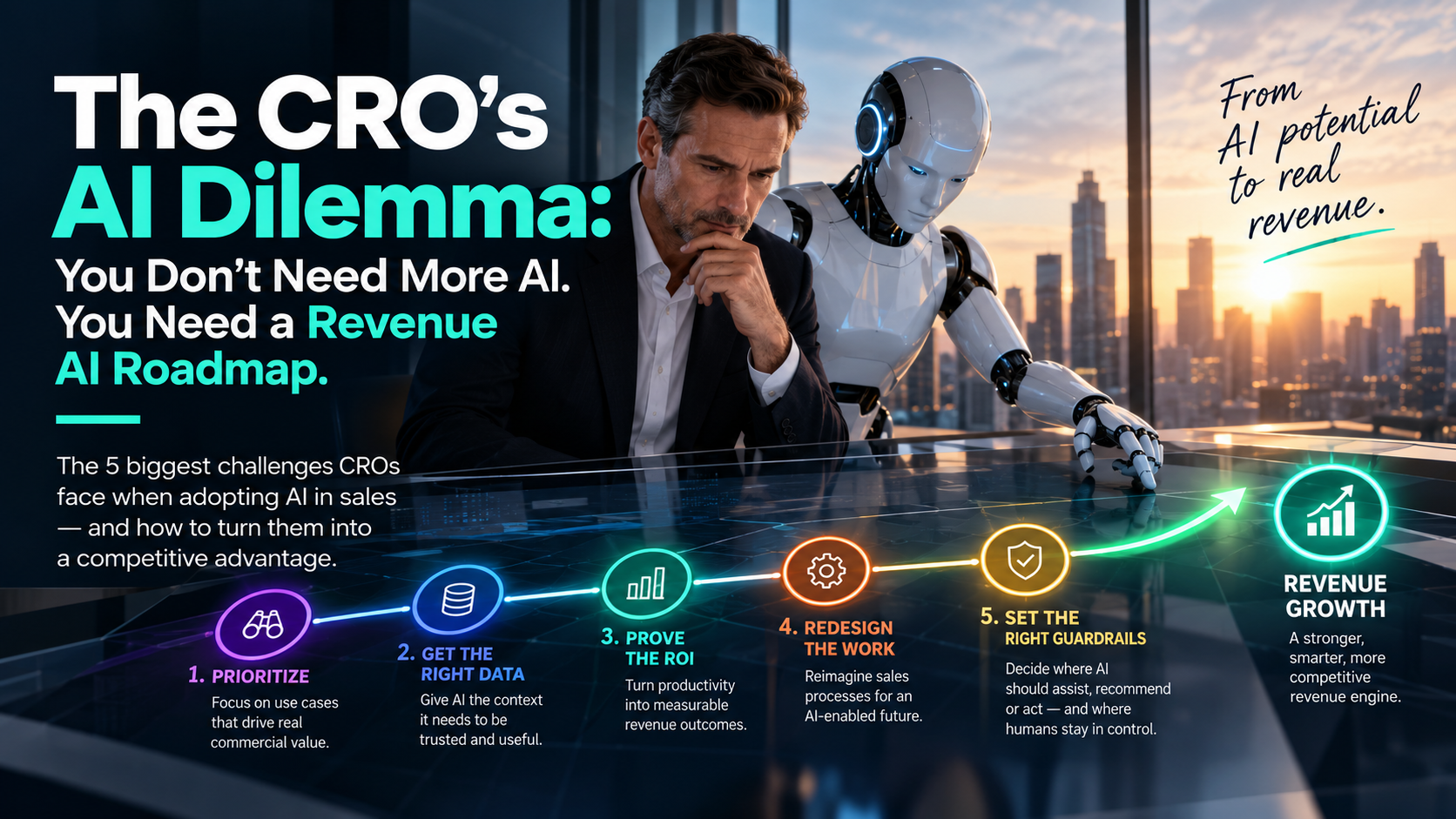
- Clean CRM data and connected business intelligence systems.
- Careful process redesign for old workflows, avoiding fragmented automation.
- Oversight for accuracy in predictive analytics, minimizing risk of AI hallucination or error.
- Strategic alignment with enterprise AI goals—from sales technology to process automation.
AI Agents Can Amplify Sales When Properly Created, Deployed and Trained
AI agents are essential for sales enablement and business automation, bringing machine learning, predictive analytics, and CRM integration to the core of modern enterprise operations. By streamlining workflows and boosting real-time customer engagement, AI agents empower sales teams to drive revenue and create sustainable business growth.
Frequently Asked Questions: Understanding AI Agents & Use Cases
What exactly is an AI agent? An AI agent is an advanced digital tool that uses machine learning, predictive analytics, and natural language processing (NLP) to independently execute complex workflows. Unlike standard automation, an AI agent can analyze real-time context and data to make decisions, such as nurturing a lead or optimizing a sales process, without constant human intervention.
How do AI agents differ from traditional chatbots? While chatbots are typically limited to answering basic FAQs based on pre-set rules, AI agents are integrated into core business systems like CRMs and ERPs. They can perform “reasoning,” handle end-to-end tasks (like scheduling meetings or updating records), and adapt their strategies based on big data and sales performance trends.
What are the different types of AI agents used in business? There are six primary types of AI agents:
- Autonomous Agents: Independently handle outreach and scheduling.
- Assistive Agents: Provide real-time coaching and performance insights.
- Predictive Agents: Forecast sales trends and identify renewal risks.
- Reactive Agents: Trigger specific workflows based on CRM events.
- Multi-Agent Systems: Coordinate several agents for complex customer journeys.
- Internal Process Agents: Focus on data enrichment and operational reporting.
What are some best-practice use cases for AI agents in sales? Key use cases include automated lead qualification, real-time call coaching for reps, predictive deal forecasting, and automated CRM data enrichment. By handling repetitive administrative tasks, AI agents allow sales teams to focus on high-value relationship building and closing deals.
What is required to successfully deploy an AI agent? Success depends on four foundational elements:
- Clean Data: AI requires accurate, centralized CRM data to function correctly.
- Process Redesign: You cannot simply automate “broken” workflows; processes must be optimized for AI.
- Strategic Alignment: AI goals must map directly to business KPIs (e.g., pipeline growth).
- Human Oversight: Constant monitoring is needed to prevent “AI hallucinations” and ensure brand consistency.
Can AI agents help with CRM management? Yes. One of the most common internal use cases is using AI agents for CRM hygiene. They can automatically identify duplicate records, fill in missing contact information from external sources, and update deal stages based on customer activity, ensuring the “source of truth” remains accurate.
#AIAgents #SalesEnablement #BusinessAutomation #CRM #AIinBusiness #EnterpriseAI #SalesTechnology #MachineLearning #PredictiveAnalytics #AIWorkflows #CustomerEngagement #SalesProductivity #AITransformation